10 Psychological Factors That Influence Social Media: A Cashier's Perspective
- harris234y
- Aug 29, 2023
- 6 min read
Updated: Nov 24, 2024
Celebrating our independence is about more than just marking a date; it is a celebration of the freedom and values we treasure. Standing behind the cashier register, I often observe the interactions among people and how they use social media. The way we communicate, connect, and celebrate—particularly during major events—has been deeply shaped by psychological factors, especially on social media. This blog post takes a closer look at these factors and how they influence our relationships and interactions every day, all seen through the eyes of a cashier.
Understanding the Essence of Independence
Independence Day in the United States is an ideal time to reflect on our collective mindset. As we celebrate freedom, we also delve into the rich cultural history that fosters engagement and participation. The very concept of independence stirs emotions and thoughts that guide our interactions both in person and online. For instance, in 2022, an estimated 67% of Americans participated in Independence Day events or posted about them on social media, showcasing how this sentiment resonates widely across the population.
10 Categories of Psychology
Cognitive Psychology: This field examines mental processes like perception and memory. When scrolling through social media, our cognitive biases play a major role in how we interpret posts. For example, research indicates that we tend to remember posts that align with our existing beliefs more than contradictory information.
Behavioral Psychology: This area focuses on observable behavior. Social media rewards, such as likes and shares, create a loop of reinforcement that keeps users engaged, evidenced by studies showing that posts with at least 25 likes are more likely to receive additional engagement.
Developmental Psychology: It looks at psychological growth at different life stages. Younger users, for example, are more likely to use platforms like TikTok, while older demographics may prefer Facebook. As of 2023, 60% of TikTok users are between 16 and 24 years old.
Social Psychology: This explores how our thoughts and behaviors are influenced by others. For instance, the overwhelming number of posts during Independence Day celebrations can prompt individuals to participate more actively, encouraging a sense of belonging.
Clinical Psychology: Focusing on mental health, celebrating independence offers a healing aspect for many. Community support during these events helps those struggling with mental health issues feel connected and included.
Industrial-Organizational Psychology: This area looks at behavior in professional settings. Brands, similar to managers, can use insights about group dynamics and individual motivations to tailor their social media strategies during impactful moments like Independence Day.
Health Psychology: It studies how psychological factors affect health. A supportive celebration atmosphere can boost community well-being. For instance, gatherings can lead to a 23% increase in mental well-being during festive periods.
Forensic Psychology: By understanding motivations behind behaviors, we can relate discussions about freedom on social media to broader societal issues, like the rights of individuals.
Comparative Psychology: This field looks at behavior across species. Our desire for connection during celebrations shows that the need to connect is seen in both humans and animals, such as the way elephants gather together during significant events.
10. Environmental Psychology: This reflects how our surroundings affect behavior. The festive atmosphere during Independence Day, filled with music, fireworks, and decorations, greatly influences how we connect and interact on social media.
10 Psychological Factors That Influence Social Media
Social Proof: Conformity to others’ actions is prevalent on social media. During Independence Day, seeing friends' engagement encourages more participation. Studies show that content sharing increases by 38% when others are seen actively participating.
Fear of Missing Out (FOMO): This factor pushes people to check social media, wanting to be part of celebrations. According to a 2023 survey, 79% of young individuals admitted they feel FOMO if they're not online during major events.
Nostalgia: Sentimental feelings about past celebrations trigger users to share memories and connect. For instance, a nostalgic post about fireworks can garner over 300 engagement interactions in a short time.
Reciprocity: We often expect our kindness to be reciprocated. Sharing a post about Independence can inspire others to share their stories, creating a cycle of engagement.
Identity: Social media allows users to express who they are. Independence Day offers a genuine outlet for individuals to showcase their beliefs and patriotism through posts and images.
Group Dynamics: Shared experiences strengthen social bonds. Millions participate in challenges or themed discussions, reinforcing feelings of camaraderie and belonging.
Escapism: Social media is often an escape from mundane life. During Independence Day, many find refreshing content that feels liberating, with engagement spiking by 42% as users seek joy.
Adverse Emotional States: Some turn to social media for comfort during hard times. People may share personal struggles during celebrations, fostering connection and support.
Awareness of Others’ Engagement: Knowing that friends are celebrating too encourages individual participation—74% of users report feeling motivated to post when they see others doing the same.
10. Emotional Connection: Heartfelt stories and images related to independence create strong engagement. Content that evokes positive emotions can increase shares by 55%.
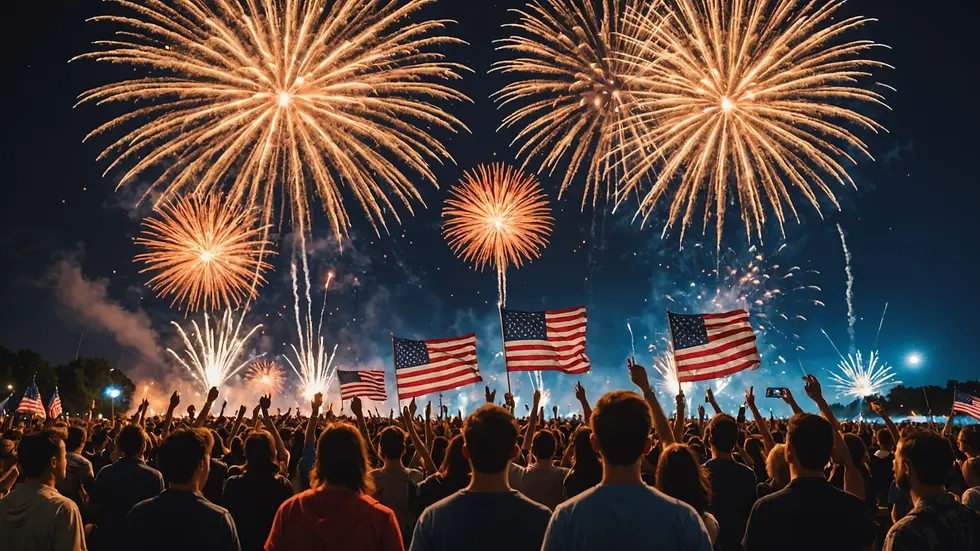
Celebrating Independence Together
Honoring Independence Day involves more than just showing patriotism; it connects us emotionally as a community. Participation in celebrations allows individuals to share values and reinforce communal bonds. Activities like community service, parades, and sharing posts about independence reflect the psychological factors we discussed, such as social proof and identity.
During independence celebrations, social media acts as a platform for reflection, togetherness, and shared experiences. By capturing moments through images and stories, we not only reminisce but also create a future filled with meaningful relationships.
Notable Psychologists and Their Impact
Sigmund Freud: Known as the father of psychoanalysis, Freud's insights into the unconscious mind changed how we understand human behavior, including celebrations and social interactions.
Carl Jung: Jung's theories, such as archetypes, help us comprehend cultural phenomena like national holidays and the collective consciousness tied to these events.
Abraham Maslow: His hierarchy of needs highlights how celebrations fulfill our desire for growth and self-actualization, especially during major events.
B.F. Skinner: With a focus on behavior, Skinner's principles about reinforcement show how we celebrate and engage in social activities, enhancing our experiences.
Jean Piaget: Studying cognitive development helps explain how various age groups interact with social media differently during celebrations.
The Benefits of Understanding Psychology
Improved Mental Health: Grasping psychological insights can help individuals navigate their mental health challenges effectively.
Enhanced Communication: Insights from psychology improve communication skills, fostering deeper bonds during shared experiences like celebrations.
Better Decision Making: Psychological strategies assist in making informed choices, elevating the quality of our festivities.
Conflict Resolution: Understanding psychology helps to ease conflicts during group gatherings, ensuring more positive interactions.
Increased Empathy: Understanding others’ feelings makes us more empathetic, enriching our community engagement during celebrations.
Navigating Psychological Aspects of Selling
Emotional Connections: Customers gravitate towards brands that touch their emotions, especially during celebrations, increasing the chances of engagement.
Perception: A consumer’s view of a brand heavily influences their purchasing decisions, particularly during festive occasions.
Brand Loyalty: A strong emotional experience during celebrations can enhance customer loyalty, as they are more likely to stick with brands they trust.
Identity Alignment: Brands that reflect essential values during celebrations are more likely to connect successfully with consumers.
Psychological Triggers: Brands often utilize strategies that evoke excitement and urgency during special events, attracting more customers.
Building Trust in Your Brand
Trust builds over time and is linked to psychology that resonates with consumers. Brands that demonstrate sincerity and align with societal values form connections beyond typical sales.
During Independence celebrations, companies leverage shared experiences, reinforcing core values through their messaging and marketing approaches. Trusted brands consistently communicate in ways that meet consumers’ needs and values.
Trusted Brands That Stand Out
Coca-Cola: An iconic brand tightly linked to celebrations and community spirit.
Nike: Celebrated for its message of empowerment and individuality, making it a favorite among consumers.
Apple: Known for innovation and reliability, Apple has built a loyal consumer base aligned with its values.
Fostering Trust with Your Brand
Consistency: Maintain consistent messaging and quality to build consumer reliability.
Transparency: Openness about your practices fosters trust, especially during celebrations of freedom.
Engagement: Authentic interaction with your audience addresses their inquiries and needs.
Community Involvement: Demonstrating commitment to social issues strengthens trust, especially during celebrations.
Showcase Testimonials: Positive experiences shared by customers validate a brand’s credibility and reliability.
Embracing the Spirit of Independence
As a cashier, I observe the various ways people celebrate independence and interact on social media. The role of psychological factors in shaping these relationships is significant. By understanding these elements, we can elevate our celebrations and foster deeper community ties.
Every interaction, whether at the cashier counter or on social media, provides the chance to uplift and connect. We celebrate our independence and acknowledge the psychological threads that unite us in this vibrant tapestry of life.


Comments